
Supply<DemandHonest question here: why are cars like this and the Kia Telluride close to 60k and cars like the rav4 like 30k? What happens in that slightly larger size to so drastically increase the cost?
Americans like big cars


Follow along with the video below to see how to install our site as a web app on your home screen.
Note: This feature may not be available in some browsers.
Supply<DemandHonest question here: why are cars like this and the Kia Telluride close to 60k and cars like the rav4 like 30k? What happens in that slightly larger size to so drastically increase the cost?
And you ignore the facts about the majority of ICE vehicle fires are in vehicles 11+ years old and poorly maintained. Lets see EVs on their or 4th owner in 15 years.The poster has been told this on numerous occasions. They don't like fancy things like stats.
I'm going to assume you're taking out of your *** again, and don't actually have the data on this? Let me guess, you saw this on Facebook.And you ignore the facts about the majority of ICE vehicle fires are in vehicles 11+ years old and poorly maintained. Lets see EVs on their or 4th owner in 15 years.
I mean theres a reason they say to observe charging batteries for basically everything made.Fires are not a solely EV problem. Yes, EV fires can be harder to put out. But they catch fire at a much lower rate than ICE cars (rate meaning that we take into account number of fires per number of vehicles). Here are a few recent examples:
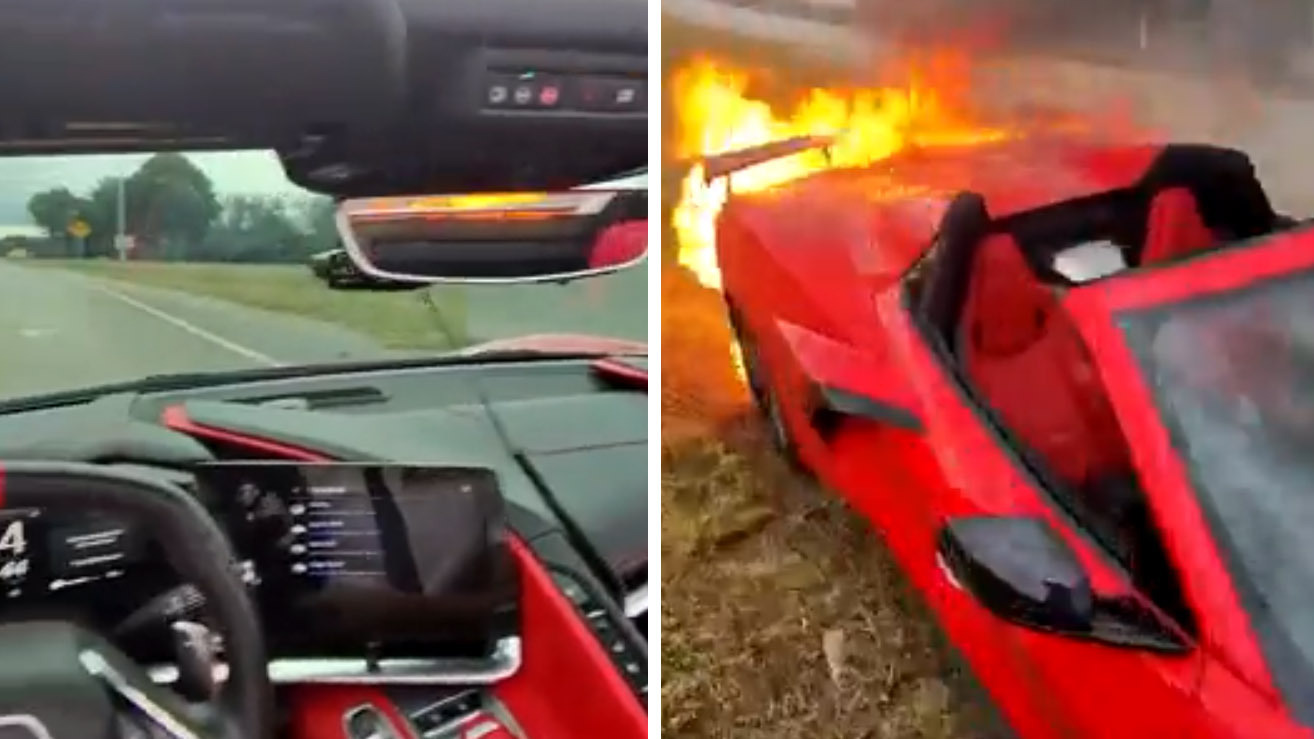
C8 Driver Catches The Moment His Corvette Spontaneously Combusts | Carscoops
Chevy has previously recalled Z06 and ZR1 models over a fire risk, but this incident appears unrelatedwww.carscoops.com
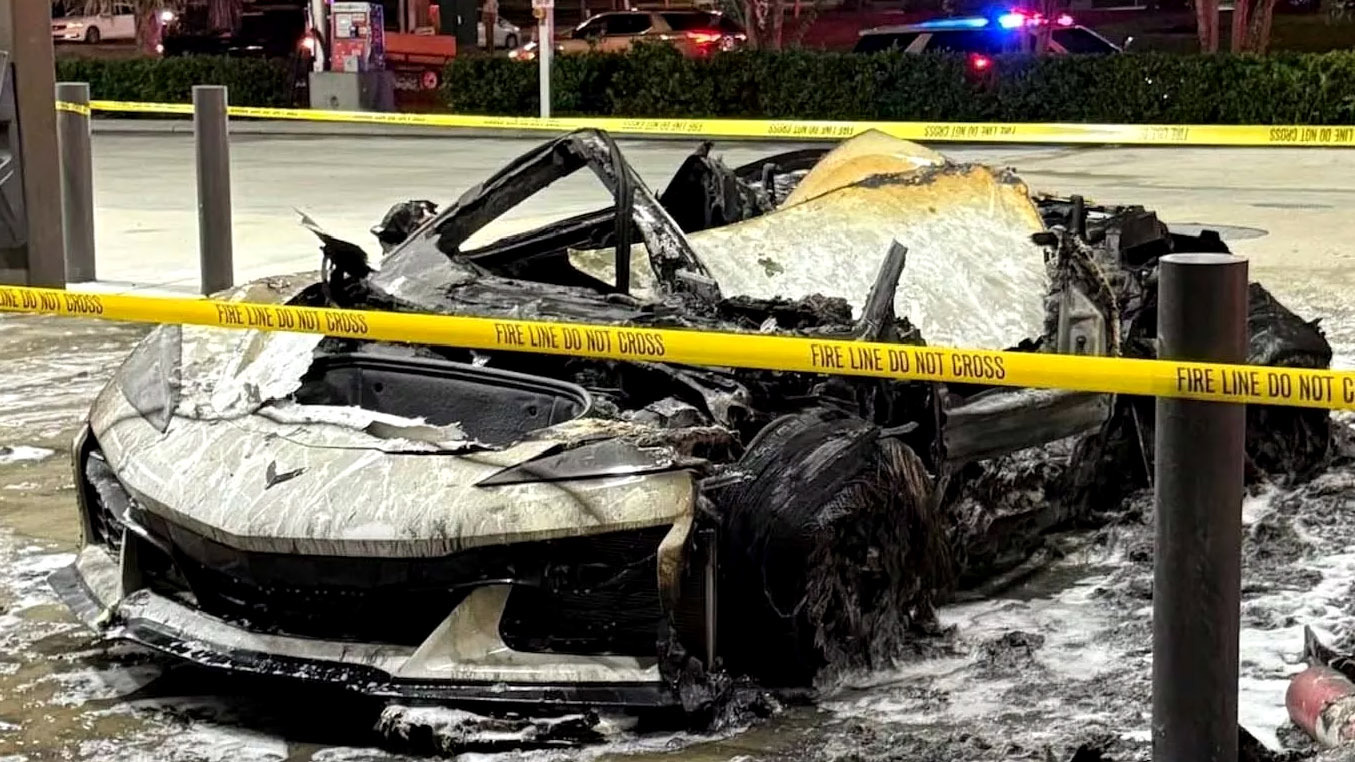
His $140K Corvette C8 Burst Into Flames At The Gas Pump And He’s Not Alone | Carscoops
Gas station security camera captured the moment a Corvette Z06 burst into flames due to a known design flaw

Also, the reviews started coming in yesterday on the R2. Doug's a lot obnoxious but here you go
This took me 30 seconds to find.I mean theres a reason they say to observe charging batteries for basically everything made.
A Tesla Charger Fire Burned Down A Florida Home, Nearly Trapping The Family Inside https://share.google/Wx6C1Kk1qEOtNmVlZ
Tesla Catches Fire, Burns to a Crisp at Supercharging Station | PCMag https://share.google/fSS7mYsdQZuSfH4Ik

 www.kjct8.com

 news4sanantonio.com
Vehicle fires report | NFPA Research https://share.google/15UcN9QTo1D3zDBqeI'm going to assume you're taking out of your *** again, and don't actually have the data on this? Let me guess, you saw this on Facebook.
You can option a Rav4 up there to around $45k+ the Telluride, and other mid size suvs start mid to high 30s.Honest question here: why are cars like this and the Kia Telluride close to 60k and cars like the rav4 like 30k? What happens in that slightly larger size to so drastically increase the cost?
Wow, the link you provided shows just how dangerous it is to drive an ICE vehicle. Good jobVehicle fires report | NFPA Research https://share.google/15UcN9QTo1D3zDBqe
Thanks! I just ordered the D2 license plate. I'll transfer it when I get the R2. /jkI need to get one of those and get a "D2" license plate before anyone else does.
I hope your 75+ YOA!!! Otherwise your going to be an EV owner or rider in your lifetime. Your concerns are akin to someone in 1910 pooh-poohing the Ford Model-T. For many, there are valid reasons to not buy an EV over the next few years, but it's not because of the product is inferior to ICE vehicles.Vehicle fires report | NFPA Research https://share.google/15UcN9QTo1D3zDBqe
My guess would be supply and demand.Honest question here: why are cars like this and the Kia Telluride close to 60k and cars like the rav4 like 30k? What happens in that slightly larger size to so drastically increase the cost?
All the Automakers Rolling Back Their Electric Car Plans - Business Insider https://share.google/9biO5sTyLBlp1SZbGI hope your 75+ YOA!!! Otherwise your going to be an EV owner or rider in your lifetime. Your concerns are akin to someone in 1910 pooh-poohing the Ford Model-T. For many, there are valid reasons to not buy an EV over the next few years, but it's not because of the product is inferior to ICE vehicles.
We are in early days of EV's. There are a lot of big companies investing a lot of money in improving battery technology by improving current battery chemistry or innovation toward new battery tech like solid state and sodium-ion batteries. Would be very surprised if by 2030 the current drawbacks related to charge time and range aren't resolved. So just going to be a matter of infrastructure build-out.
And once adoption reaches a tipping point, owning an ICE vehicle will become cost prohibitive and infrastructure limitations will develop.
All the Automakers Rolling Back Their Electric Car Plans - Business Insider https://share.google/9biO5sTyLBlp1SZbG
That's the US. We've established the US is behind the curve worldwide in adoption, infrastructure and EV technology. This will have repricussions far beyond cars.All the Automakers Rolling Back Their Electric Car Plans - Business Insider https://share.google/9biO5sTyLBlp1SZbG

Most of the newer BEVs on the road charge at 800V or so. They do that because they can get a way with shoving less amps into the system (less heat). Some Teslas are still on the older 450V charging systems but when you look at the pack size on something like a model 3 it's quite a bit smaller than say a Lightning. You can get away with the high speed lower voltage there because you're not running the charger as long. Really the limiting factor here is how hot the battery (and to a lesser extent the cables) get. The other part that a lot of people overlook is that when you say a car can accept 300kW of charge rate that's not a constant number it looks like a bell curve and the flatter that curve peak is the better it is for your battery state of health. The other weird thing I've seen as I've looked into the higher charge rates is that you have this really narrow thermal window of a few degrees C you want to be in where as a slower, like 50kW or smaller charger you've got a 20ish degree C window you want the battery to stay in.Educate me on this. Can Tesla get by using the same sort of system because their cars are that much more efficient? Or do you think Tesla also needs to improve(not including the CT)?

Nonsense.Range and charging speed will make or break that thing. If they stuck with the 450V charging system I think they're in trouble.


